Wedding Ring Care Guide
How to clean wedding rings at home, protect diamonds and delicate gemstones, master daily wear habits, and ensure your rings sparkle for a lifetime.
Your wedding ring is much more than fine jewelry; it is a lasting symbol of love, commitment, and lifetime devotion. Worn daily through work, workouts, and cooking, your band quietly encounters dust, hand creams, friction, and hard surfaces. Over time, everyday exposure can dull gemstones and soften polished metal.
We created this comprehensive wedding ring care guide to help you protect your investment. Whether your ring is crafted from platinum, gold, or solid 925 sterling silver, simple habits and regular care ensure it stays as radiant as the day you exchanged vows.
Why Wedding Ring Care Matters: Your Lifetime Wedding Ring Care Guide
Fine jewelry is exceptionally durable, but it is not indestructible. Lotions, natural skin oils, and ambient dust gradually collect beneath stone settings, blocking light entry and dimming your diamond's natural sparkle.
Routine care also prevents accidental gemstone loss. Daily contact with hard surfaces can bend prongs, thin metal claws, or loosen stones without you realizing it. Following this wedding ring care guide protects your ring's structural integrity, preserves its finish, and safeguards your emotional and financial investment.
How Often to Clean Your Ring: Daily, Weekly, and Annual Routines
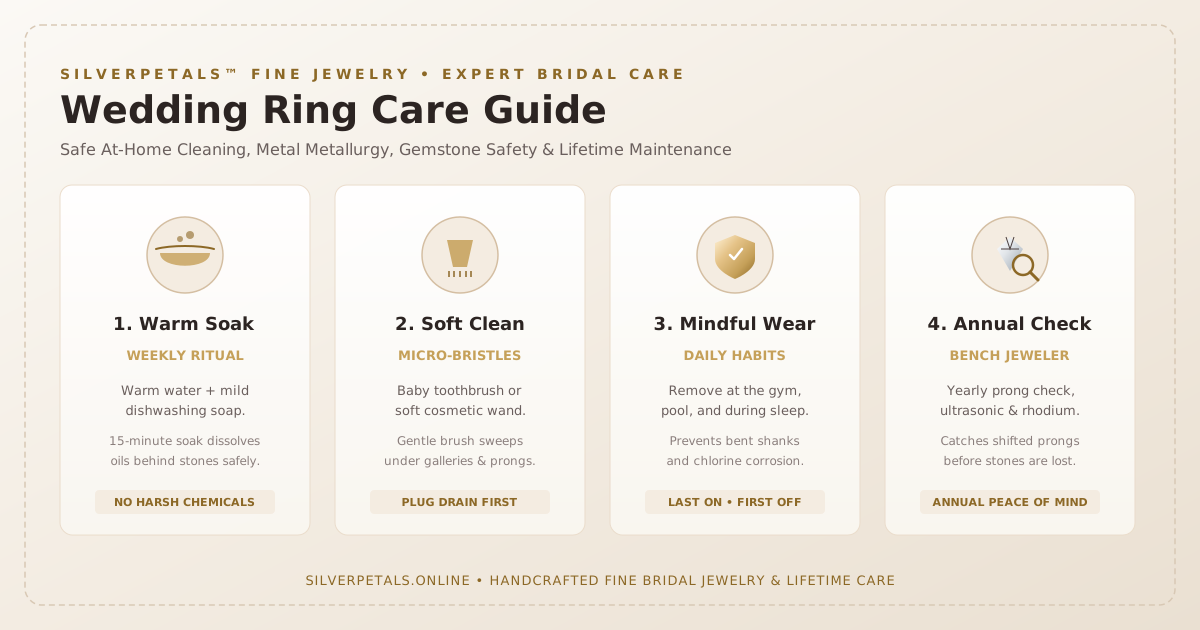
A consistent, gentle cleaning routine prevents stubborn grime from hardening behind gemstones without causing surface abrasion:
Daily Quick Wipe
Wipe your band each evening with a dry, lint-free microfiber cloth to remove surface oils, hand sanitizer residue, and moisture.
Weekly Warm Soak
Soak your ring for fifteen minutes in warm water with mild, phosphate-free dish soap to loosen trapped oils safely.
Monthly Gentle Brush
Pair your warm soak with a gentle brushing using an extra-soft baby toothbrush, cleaning around the underside of the stone basket.
Annual Inspection
Visit a professional bench jeweler yearly for ultrasonic sanitization, prong tightening, and structural security checks.
This balanced cadence keeps your ring brilliant without abrasive scrubbing that could scratch softer precious metals.
How to Clean a Wedding Ring at Home by Metal Type
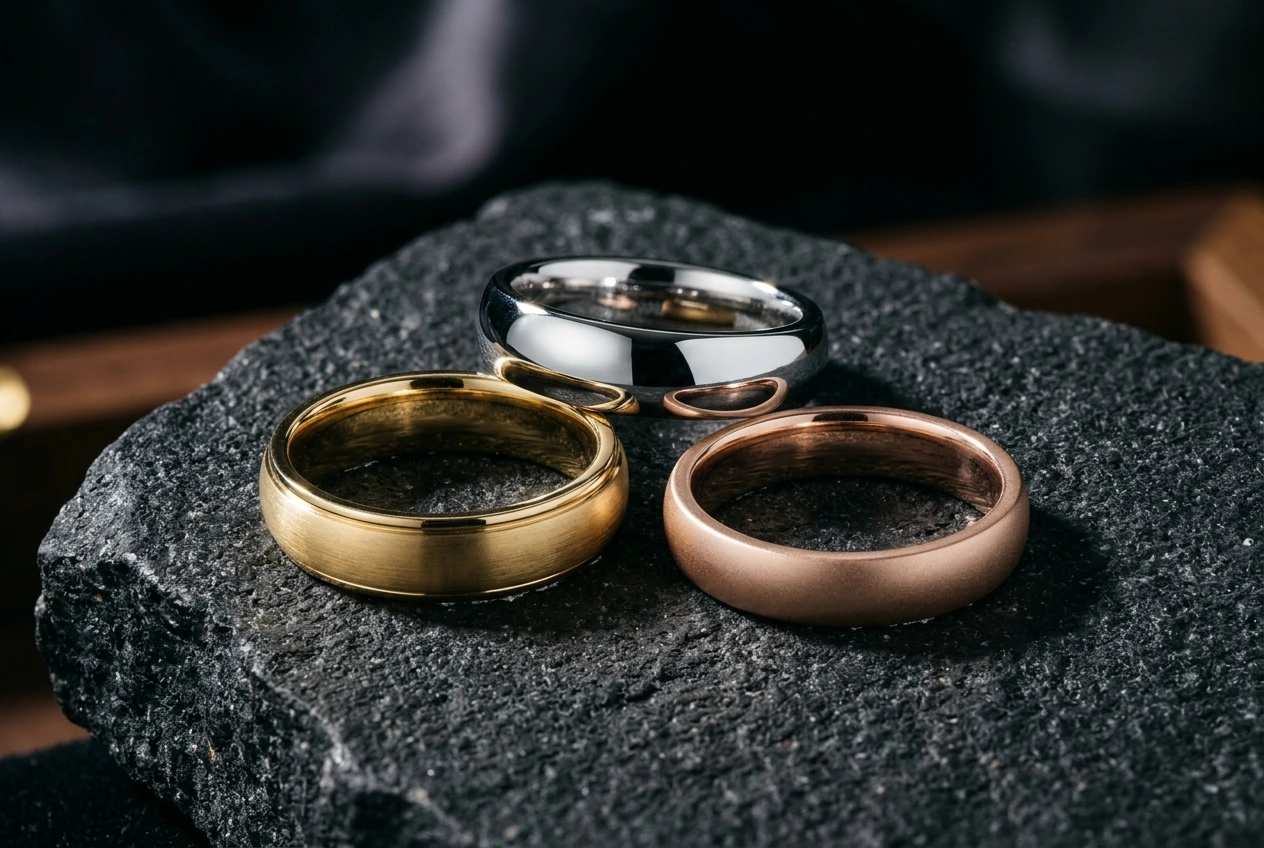
Different jewelry metals possess unique traits and require specialized care. Understanding how to clean a wedding ring based on its specific metallurgy prevents unwanted etching, discoloration, and finish damage.
Yellow and White Gold Bands
Soak gold rings in lukewarm water with two drops of mild dish soap for fifteen minutes. Clean around prongs with an ultra-soft brush, rinse under running water with the drain securely plugged, and dry with a microfiber towel. Because white gold is plated with rhodium, avoid harsh rubbing to preserve this bright shield.
Platinum Bands
Platinum is hypoallergenic, highly dense, and completely tarnish-resistant. Clean it using the same warm soapy soak and soft brush. Platinum develops a soft satin-like patina with wear, which a bench jeweler can easily buff back to high shine.
Solid 925 Sterling Silver Bands
Sterling silver reacts naturally with ambient airborne sulfur, resulting in surface tarnish. Wash light grime with warm soapy water. For oxidation, buff gently with a dedicated micro-abrasive silver polishing cloth. Never use harsh chemical dips, which strip intentional detailing.
Rose Gold Bands
Rose gold gets its signature blush from copper alloyed with pure gold, making it sensitive to harsh chemicals. Clean rose gold strictly using mild soap and water, avoiding ultrasonic cleaners that might degrade delicate surfaces.
Titanium and Tungsten Bands
Alternative metals like titanium and tungsten carbide offer high scratch resistance. Clean these durable bands with warm soapy water and a soft cloth, avoiding abrasive pads on coated or black ion-plated bands.
Caring for Diamonds and Gemstones: From Brilliant Cuts to Delicate Stones
Gemstones possess distinct mineral hardness levels on the Mohs scale, which dictates safe cleaning methods according to the Gemological Institute of America (GIA).
Diamonds, Sapphires, and Moissanite
Scoring between 9 and 10 on the Mohs scale, diamonds, sapphires, rubies, and moissanite are exceptionally resilient. They easily tolerate warm soapy water and soft brush cleaning. Pay close attention to the underside of the stone, where lotions accumulate and mute brilliance.
Delicate and Porous Gemstones
Emeralds, opals, pearls, and turquoise require gentle handling. Emeralds contain natural fissures treated with cedarwood oil, which hot soapy water can strip. Opals and pearls are porous gems that absorb liquids and degrade under heat or chemicals. Never submerge porous stones; wipe them clean with a damp, soft cloth.
Daily Habits and What to Avoid: Everyday Ring Care Tips
Mindful daily habits protect your jewelry far more effectively than frequent polishing. Integrating these practical ring care tips into your lifestyle prevents accidental damage:
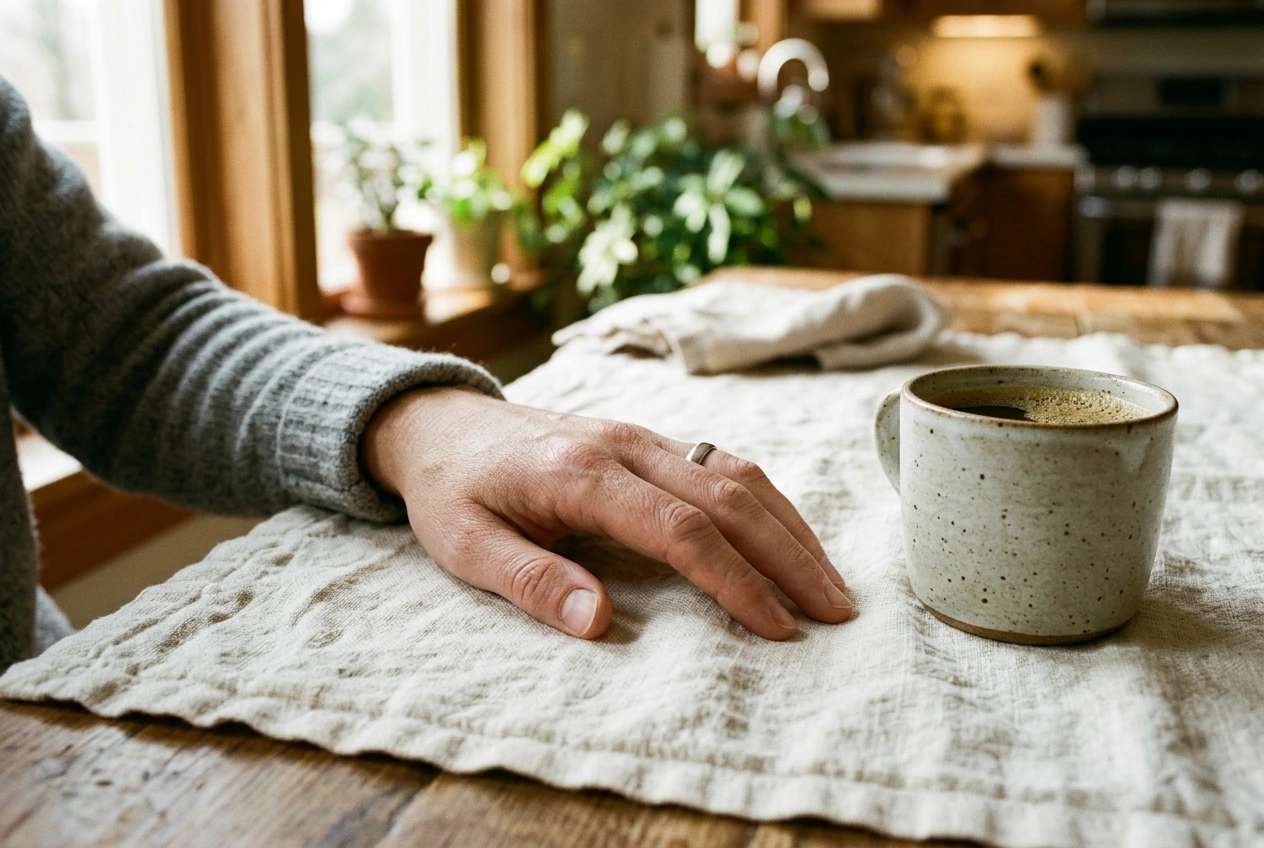
- Avoid Chlorine and Spas: Remove rings before entering swimming pools or hot tubs. Chlorine and bromine attack gold alloys, causing stress corrosion cracking along prong joints.
- Remove for Heavy Workouts: Barbell knurling and dumbbells place severe focal pressure on your fingers, bending shanks out of round and popping stones loose.
- Practice "Last On, First Off": Apply perfumes, lotions, makeup, and sunscreen before putting on your rings to prevent greasy film from coating stones.
- Take Off Before Cleaning and Gardening: Bleach, ammonia, and scouring powders pit precious metals and discolor sterling silver. Gardening soil also contains abrasive quartz particles that scratch gold shanks.
- Never Sleep in Your Rings: Blankets and pillows catch prongs, slowly pulling tension settings open during the night.
Safe Storage and Travel Tips for Wedding Rings
Proper storage habits prevent accidental scratches, lost stones, and frantic morning searches. Where you place your ring when it leaves your finger matters immensely.
Establish dedicated drop spots throughout your home. Place ceramic ring dishes on your bedside table, bathroom vanity, and kitchen counter. This eliminates the panic of searching through laundry pockets or worrying if your ring slid down a drain. Never wrap your ring in a paper towel near a garbage disposal or sink.
When traveling, pack your jewelry in a zippered, hard-shell travel case lined with anti-tarnish velvet. Ensure the case features individual padded ring rolls so bands never rub against diamonds or metal watches. Add a small silica gel packet inside the case to absorb humidity. For active vacations, leave your valuable band safely at home and wear a silicone alternative.
Professional Cleaning and Inspection: Annual Wedding Ring Maintenance
At-home washing keeps jewelry sparkling, but it does not replace professional wedding ring maintenance. Bench jewelers use specialized magnification to spot structural wear before a stone is lost.
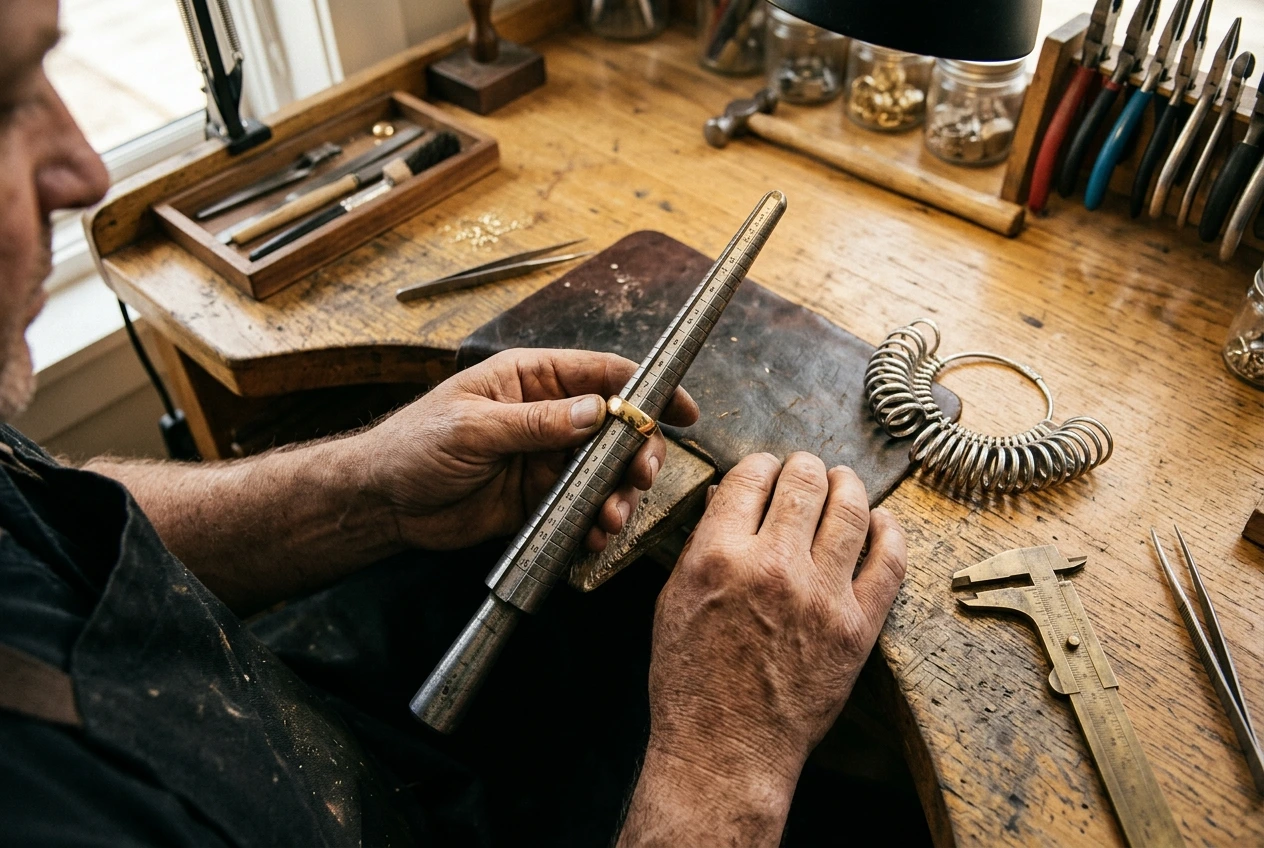
During your annual checkup, a jeweler will provide several essential services:
- Prong Inspection: Checking each claw under magnification to detect bent, lifted, or thinning tips.
- Ultrasonic Cleaning: High-frequency sound waves dislodge compacted grime from tight gallery recesses.
- Rhodium Dipping: Applying a fresh rhodium flash restores mirror whiteness to white gold.
- Refinishing and Polish: Polishing out light surface scratches or re-applying satin, brushed, and hammered textures.
As emphasized throughout this wedding ring care guide, scheduling regular professional checkups ensures your warranty remains valid and your ring remains structurally sound for decades of daily wear.
Common Mistakes to Avoid When Caring for Your Ring
Avoid these widespread internet myths to keep your ring safe from irreversible damage:
- Using Toothpaste: Toothpaste contains abrasives meant for enamel that leave millions of micro-scratches across gold, platinum, and silver.
- Washing Over Open Sinks: Always plug the drain or place a silicone mat down before washing jewelry to prevent a soapy ring from dropping down the plumbing.
- Boiling Water: Extreme thermal shock can fracture internal inclusions in gemstones and crack fragile stones like emeralds.
- Home Ultrasonic Machines on Fragile Stones: Rapid vibrations can loosen micro-pave stones or fracture stones with internal feathers.
- Excessive Resizing: Repeatedly stretching, cutting, or soldering a band weakens metal structure and compromises stone settings.
Ring Insurance and Documentation: Protecting Your Investment
Financial protection is an essential component of responsible jewelry ownership. Even with careful habits, rings can slip off unnoticed in cold ocean water or get misplaced while traveling.
A dedicated jewelry insurance policy or personal property rider covers accidental loss, theft, and damage worldwide. Standard homeowner policies often have low jewelry claim limits, making specialized policies much safer.
Keep your documentation organized:
- Save purchase receipts and initial retail replacement appraisals.
- Store your GIA certificate and warranty documents safely in a fireproof safe and encrypted digital cloud backup.
- Re-appraise your ring every three to five years to keep coverage aligned with fluctuating precious metal values, following guidelines from the Federal Trade Commission (FTC).
Frequently Asked Questions About Wedding Ring Care
Find quick answers to common wedding ring maintenance and cleaning dilemmas:
How often should I clean my wedding ring at home?
Soak your ring once a week in warm water mixed with mild dish soap and brush it gently with a soft toothbrush. Complement this with a nightly wipe using a dry microfiber cloth to keep oils from hardening.
Can hand sanitizer harm my diamond wedding ring?
Alcohol-based hand sanitizer will not harm diamonds, but repeated exposure can dull the finish of white gold, dry out porous gems like pearls, and leave a cloudy film across metal bands. Let sanitizer dry before touching rings.
Is it safe to wear my wedding ring to the gym?
No. Gripping gym bars, dumbbells, and weights places intense focal pressure against rings, bending shanks out of round and loosening stones. Leave your ring at home or wear a silicone band during workouts.
What is the safest way to clean a sterling silver wedding band?
Wash light surface grime with warm soapy water, then buff gently using a dedicated micro-abrasive silver polishing cloth. Avoid liquid chemical dips, which pit metal and strip intentional oxidized details.
How do I know if a prong on my ring is loose?
Hold the ring close to your ear and gently tap the stone with your fingernail; if you hear a faint rattling sound, the stone is loose. You can also check if a claw snags on delicate knit clothing.
Conclusion: Keep Your Love and Your Rings Sparkling for Life
Your wedding ring represents the enduring bond of your marriage and the shared journey ahead. By adopting the principles outlined in this wedding ring care guide—practicing mindful daily habits, establishing gentle weekly cleaning rituals at home, and scheduling an annual inspection with a trusted bench jeweler—you will keep your ring shining bright for a lifetime.
Take care of the symbol that tells your love story. Explore our handcrafted collection of solid 925 sterling silver bands, fine bridal jewelry, and expert guides at SilverPetals to find your ideal lifetime pieces today.
Explore More Expert Bridal Guides:
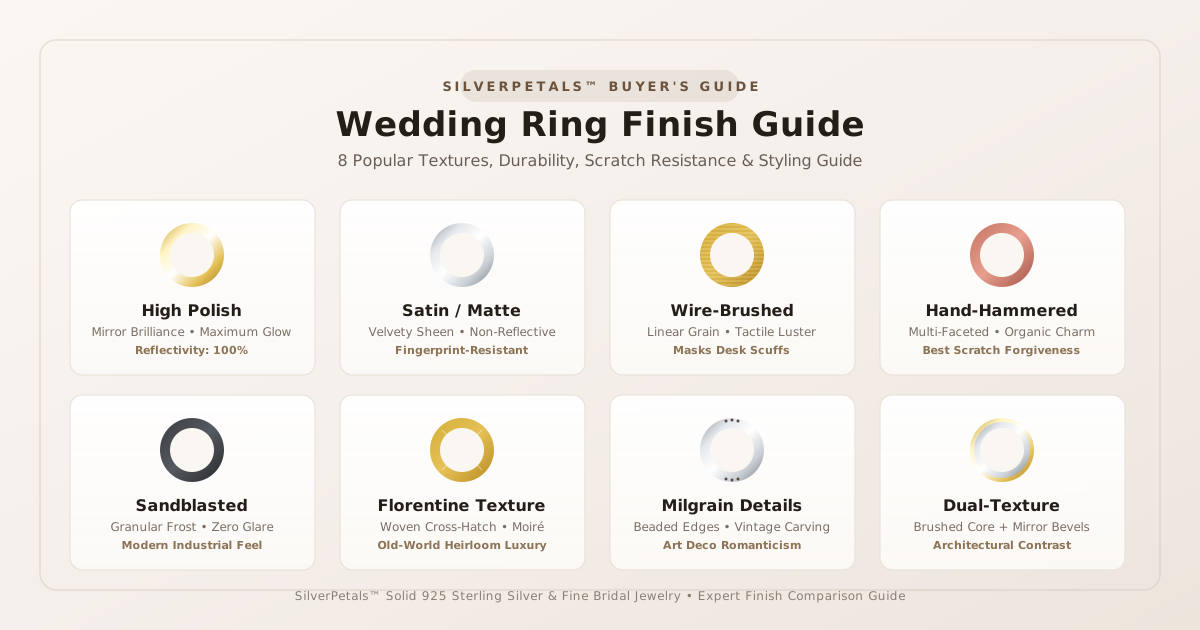
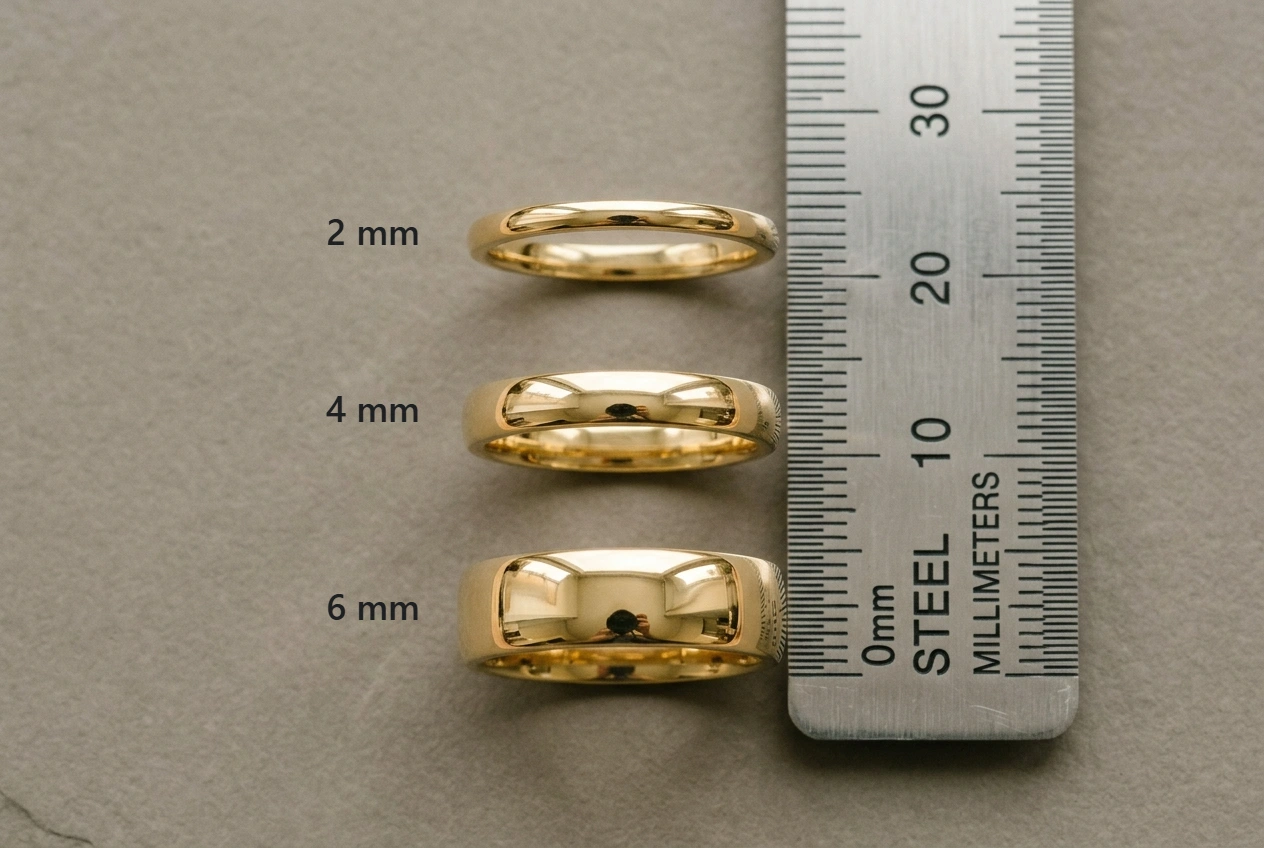
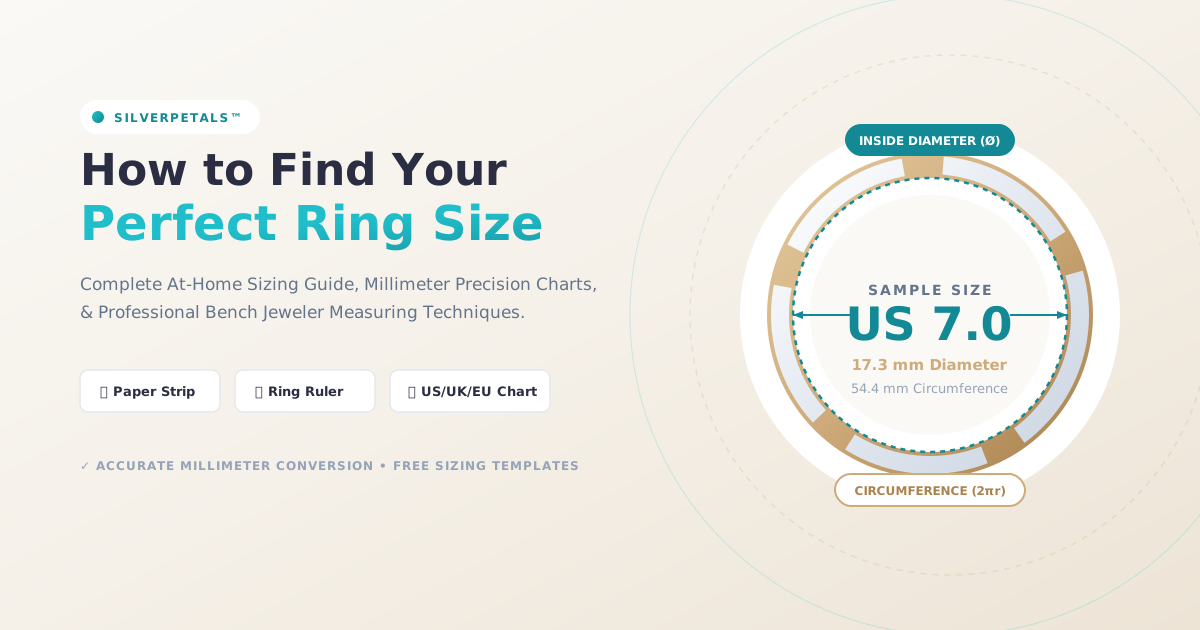
Learn how to size your finger accurately with our Ring Size Guide, choose durable textures in our Wedding Ring Finish Guide, or find ergonomic proportions in our Wedding Band Width Guide.
SilverPetals™ Jewelry Care Studio
Dedicated to helping couples care for their heirloom jewelry with expert gemological guidance, ethical silversmithing, and lifetime support.