Wedding Ring Finish Guide: 8 Popular Styles Compared
Choosing a wedding band is one of the most personal jewelry purchases you will make. While metal choice and band width often dominate early conversations, your choice of wedding ring finish fundamentally defines how your ring catches the light, feels against your skin, and responds to daily wear. The surface treatment dictates whether a ring radiates dazzling traditional brilliance, glows with subtle velvet warmth, or displays the rugged charisma of hand-hewn metal.
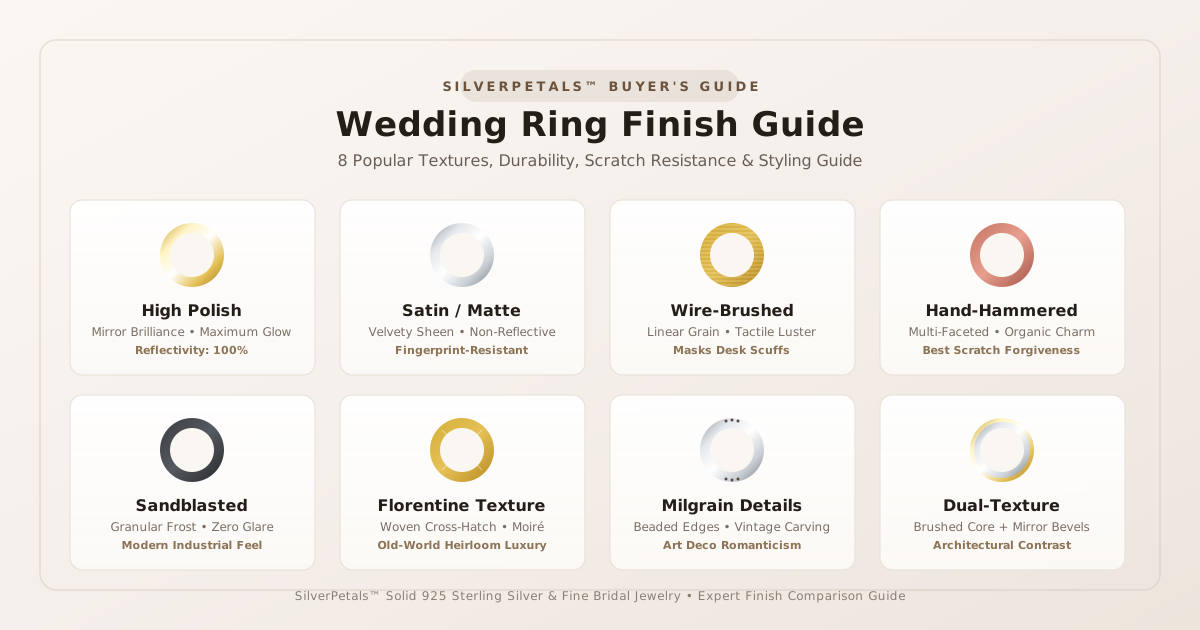
A ring finish is far more than a decorative polish. It interacts directly with your routine, profession, and personal style. Throughout this guide, we examine eight popular finish styles, break down how each texture is crafted, compare scratch resistance and lifetime maintenance, and help you select the enduring look that best complements your hand and lifestyle.
High Polish Finish: Classic Mirror Brilliance
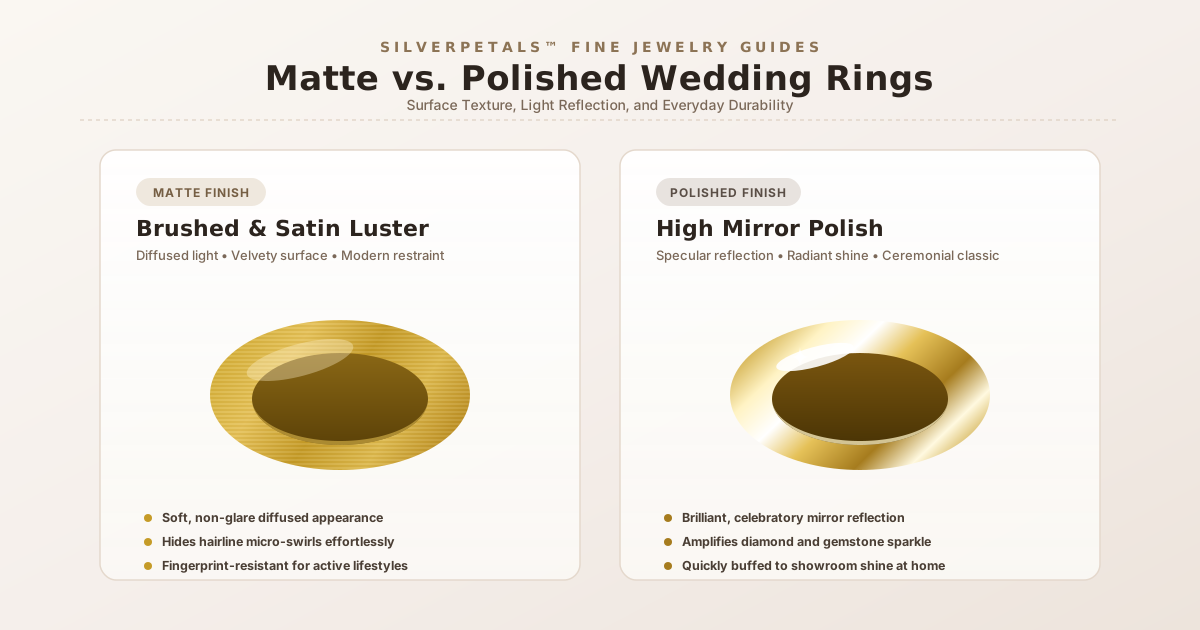
The high polish finish represents the quintessential bridal aesthetic. Characterized by its gleaming mirror exterior, a polished ring reflects light with unobstructed brilliance, creating vivid highlights and clean reflections. For generations, this radiant shine has served as the universal standard for fine wedding jewelry.
To craft a high polish surface, jewelers smooth the metal through progressive abrasive grits up to 2,000 mesh, followed by high-speed buffing with jeweler's rouge. High polish pairs magnificently with 14k and 18k gold alloys, platinum, solid 925 sterling silver, and tungsten carbide.
Pros and Cons:
- Pros: Maximum radiance; timeless aesthetic; pairs seamlessly with classic polished engagement rings.
- Cons: Readily reveals fine surface scuffs; shows fingerprint oils; requires routine buffing.
High-polish rings inevitably develop micro-scratches from daily wear, softening into a warm vintage patina. Jewelers can buff out these minor marks in under fifteen minutes. This style is ideal for traditional couples who love classic sparkle.
Matte and Satin Finishes: Understated Contemporary Elegance
Matte and satin finishes offer a modern, muted alternative to mirror polish. Rather than reflecting sharp glare, a satin band diffuses light into an alluring, velvety luster. The exterior feels completely smooth against fingertips while delivering an understated elegance favored by minimalist jewelry lovers.
Artisans create a satin finish by applying microscopic abrasives across the metal using fine nylon pads or wire wheels. Satin looks striking on white gold, platinum, titanium, and tantalum, while imparting an earthy warmth to yellow and rose gold alloys.
Pros and Cons:
- Pros: Contemporary minimalist profile; resists fingerprint smudges; soft tonal subtlety.
- Cons: Can burnish shiny where friction occurs against harder tools; needs periodic refreshing.
While satin finishes disguise shallow abrasions better than high polish, repeated friction will gradually buff high-contact edges shiny. Bench jewelers can re-matt the surface quickly during scheduled cleanings. This finish is perfect for couples seeking quiet luxury and understated design.
Brushed Finish: Textured Wire-Stroke Sophistication
Often compared to satin, the brushed finish—also known as a wire-brushed finish—exhibits noticeable linear grain. Rather than an all-over cloudy frost, a brushed band features delicate striations running uniformly around the circumference. These microscopic lines produce an anisotropic sheen that shifts softly beneath direct light.
Jewelers create this texture by securing the band to a lathe and applying a stiff wire brush or diamond abrasive block against the rotating metal. Brushed textures look sensational across yellow gold, rose gold, platinum, and cobalt, and remain a favorite choice for modern titanium rings.
Pros and Cons:
- Pros: Distinctive artisanal texture; effectively camouflages light hairline desk scratches; subtle visual movement.
- Cons: Directional lines can smooth down over years of heavy wear; deep cross-scratches can disrupt the parallel grain.
Because everyday micro-abrasions generally align with daily handling, the directional grain naturally conceals superficial wear. A bench jeweler can effortlessly re-brush the surface in minutes during routine maintenance. Brushed wedding bands are ideal for active professionals seeking subtle tactile character.
Hammered Finish: Handcrafted Artisanal Character
The hammered finish provides an organic landscape that reflects light like gently rippling water. Instead of a smooth curvature, the band is enveloped in dozens of shallow indentations. Each dimple catches light independently, creating scattered highlights that lend genuine warmth and handcrafted character to the ring.
This texture is produced using traditional metalsmithing hand tools. The jeweler places the sized band onto a steel mandrel and rhythmically strikes the exterior using a polished texturing hammer. Hammered surfaces look breathtaking on rich yellow gold, blush rose gold, platinum, and solid 925 sterling silver.
Pros and Cons:
- Pros: Exceptional scratch and ding concealment; every ring is completely unique; masks heavy wear effortlessly.
- Cons: Textured surface may not sit completely flush against flat engagement rings; resizing requires careful re-hammering across the seam.
From a durability standpoint, hammered rings are among the most forgiving options available. Accidental knocks against door handles or tools simply blend into the existing texture, looking intentional rather than damaged. This finish is ideal for craftsmen, outdoor enthusiasts, and lovers of rustic design.
Sandblasted and Bead Blast Finishes: Matte Texture with Granular Depth
Sandblasted and bead-blasted finishes represent the pinnacle of modern industrial styling. Exhibiting a coarse, granular texture, these finishes diffuse light completely, leaving zero specular reflection. Sandblasting produces a tooth resembling fine sand, whereas bead blasting creates a softer stippling akin to frosted sea glass.
To achieve this texture, the jeweler suspends the finished band inside an abrasive blasting cabinet and directs a high-pressure pneumatic stream of aluminum oxide grit or glass spheres against the metal. These textures look exceptional on titanium, tantalum, tungsten, and platinum.
Pros and Cons:
- Pros: Completely eliminates glare; distinctive contemporary aesthetic; tactile non-slip grip.
- Cons: Prone to burnishing shiny along outer rims over extended wear; cannot be touched up at home with hand pads.
Over time, contact with harder objects will gradually smooth the microscopic frosted peaks, creating subtle burnished patches. Restoring the original frosted texture requires a quick visit to a jeweler equipped with a blast cabinet. Blast finishes are ideal for engineers and fans of sleek tactical design.
Stone and Florentine Textured Finishes: Intricate Old-World Craftsmanship
For couples seeking historic artistry, stone and Florentine finishes provide unmatched old-world romance. The Florentine finish, originated by Renaissance goldsmiths in Florence, Italy, forms a woven cross-hatch texture on metal. Stone or ice finishes mimic the rugged facets of natural river rock or fractured mineral deposits.
A traditional Florentine finish requires expert hand-engraving skill. The jeweler uses a multi-ribbed liner graver to cut microscopic parallel grooves around the band, then rotates the ring ninety degrees to engrave a second perpendicular set. Stone textures, meanwhile, are forged using texturing punches. Both look magnificent on 18k yellow gold, rose gold, and platinum.
Pros and Cons:
- Pros: Rare heirloom luxury; delicate sparkling moiré light play; conceals everyday wear with ease.
- Cons: Higher craftsmanship cost; micro-crevices can trap soap residue; pattern interruption during ring resizing.
Because the engraved grooves sit recessed below the surface plane, everyday bumps rarely disturb the inner texture. A periodic gentle scrub with warm soapy water keeps the intricate recesses bright and clean. This finish is perfect for vintage fashion lovers seeking bespoke historical elegance.
Milgrain and Hand-Engraved Details: Vintage Precision and Delicate Borders
Milgrain and hand-engraving bring delicate decorative articulation to wedding rings. Milgrain consists of tiny, raised beaded metal pearls pressed along the rim or bevel of a wedding band. Hand-engraving carves flowing botanical vines, scrollwork, or geometric Art Deco chevrons directly into the metal shank.
Milgrain is applied by rolling a hardened steel knurling wheel along the edge of the ring under firm manual pressure, stamping out a crisp row of miniature beads. Hand-engraving is carved under high magnification using sharp steel gravers. These embellishments are historically paired with platinum, white gold, and yellow gold, often framing smooth central bands.
Pros and Cons:
- Pros: Exquisite antique romance; elevates simple silhouettes; frames center stones and central textures beautifully.
- Cons: Raised beads can soften after decades of physical abrasion; resizing requires skilled re-tooling across the solder joint.
Because hand-engraved motifs sit inside recessed relief valleys, they resist daily wear exceptionally well. The raised milgrain beads can easily be sharpened with a knurling wheel during anniversary checkups. Milgrain bands are ideal for vintage brides matching antique heirloom engagement rings.
Two-Tone and Dual-Texture Combinations: Dimensional Modern Contrasts
If you cannot decide between the modern subtlety of a brushed finish and the bright sparkle of high polish, two-tone and dual-texture finishes offer an exceptional compromise. By pairing two distinct textures—or combining contrasting precious metal alloys—these rings deliver striking architectural depth and visual intrigue.
Jewelers craft these hybrid bands by diffusion-bonding contrasting metal bands together, or by carefully masking portions of a single band with high-temperature protective tape. The exposed center is wire-brushed or sandblasted, while the beveled outer steps are polished to a brilliant mirror shine. Popular pairings include brushed white gold with polished yellow gold bevels, and brushed platinum with polished chamfers.
Pros and Cons:
- Pros: Dynamic visual depth; versatile matching with mixed-metal jewelry; scratch-resistant center protected by polished accents.
- Cons: Higher manufacturing cost; requires specialized re-masking when refinishing adjacent surfaces.
Dual-texture rings offer outstanding everyday durability. The central textured zone absorbs the brunt of physical contact, while the recessed or beveled polished edges maintain their bright luster without heavy scuffing. These hybrid designs suit contemporary tastemakers and mixed-metal jewelry wearers.
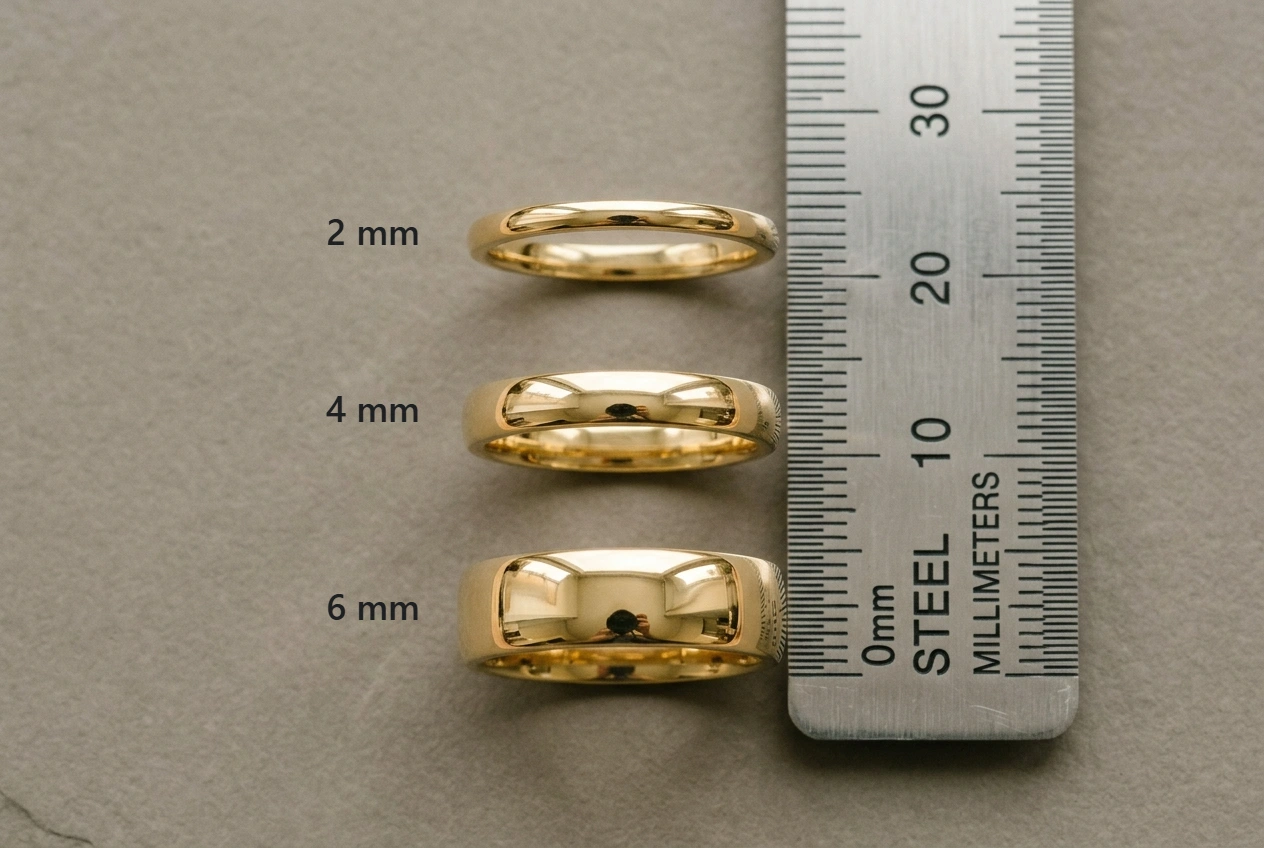
Side-by-Side Wedding Ring Finish Comparison
Evaluating different ring textures is straightforward when comparing their functional attributes side by side. Use the comparison table below to weigh how each option balances light reflection, scratch visibility, ease of maintenance, and everyday durability for your lifestyle.
| Finish Style | Visual Appearance | Light Reflection | Scratch Visibility | Refinishing Ease | Ideal Wearer & Lifestyle |
|---|---|---|---|---|---|
| High Polish | Mirror-like, shiny | Maximum (100%) | High (shows hairlines) | Very Easy (10 min buff) | Classic bridal, traditional |
| Satin / Matte | Soft, velvety | Low / Diffuse (20%) | Low to Moderate | Easy (pad or wheel) | Modern minimalist, subtle |
| Brushed | Linear parallel grain | Soft Silky (30%) | Low (camouflages scuffs) | Easy (bench lathe) | Active professionals |
| Hammered | Dimpled divots | Fragmented (60%) | Extremely Low (masks dings) | Moderate (hand tooling) | Hands-on, outdoorsy |
| Sandblasted | Granular, frosted | None (0-5%) | Low initially, burnishes | Moderate (blast cabinet) | Industrial, tech modern |
| Florentine | Cross-hatched woven | Delicate Moiré (40%) | Very Low | Specialized (graver) | Vintage collectors, luxury |
| Milgrain | Beaded edge borders | Shimmering Borders (50%) | Low | Moderate (milgrain wheel) | Antique lovers, Art Deco |
| Dual-Texture | Contrasting center & bevels | Balanced Contrast (50%) | Low to Moderate | Moderate (masking) | Mixed-metal wearers |
As shown above, higher reflectivity corresponds to greater scratch visibility. Polished bands create brilliant sparkle but reveal fine marks, while textured surfaces diffuse light to keep daily wear invisible.
How to Choose the Right Wedding Ring Finish
Selecting your ideal wedding ring finish involves balancing personal style with your daily habits, profession, and maintenance preferences. Consider these four essential factors:
1. Daily Lifestyle and Occupation
Your hands interact with the physical world constantly. If you work in healthcare, fitness, carpentry, or trades, your ring encounters tools and abrasive surfaces. A hammered, brushed, or stone-textured finish is ideal for active hands because it absorbs contact gracefully. Conversely, desk-based careers allow delicate high-polish or satin finishes to stay pristine for years.
2. Pairing with Your Engagement Ring
If you wear your wedding band flush beside an engagement ring, visual harmony is key. A high-polish solitaire engagement ring pairs seamlessly with a matching polished band for a cohesive set. Alternatively, pairing a satin or micro-hammered wedding band beneath a polished solitaire creates intentional contrast that accentuates the sparkle of your center gemstone.
3. Skin Tone and Metal Palette
Ring finishes directly affect how metal color looks against your skin. High polish accentuates the vivid yellow of 18k gold and creates bright white highlights on platinum. A satin or brushed finish softens metal saturation, making yellow gold look warmer and rose gold look deeper, offering a flattering balance across cooler skin tones.
4. Perspective on Natural Patina
Every wedding band worn daily transforms subtly over time. Matte finishes develop soft burnished highlights where friction occurs, while polished rings soften into a mellow glow known as the patina of life. If you prefer a pristine mirror shine, commit to annual buffing; otherwise, embrace the authentic story written across your ring.
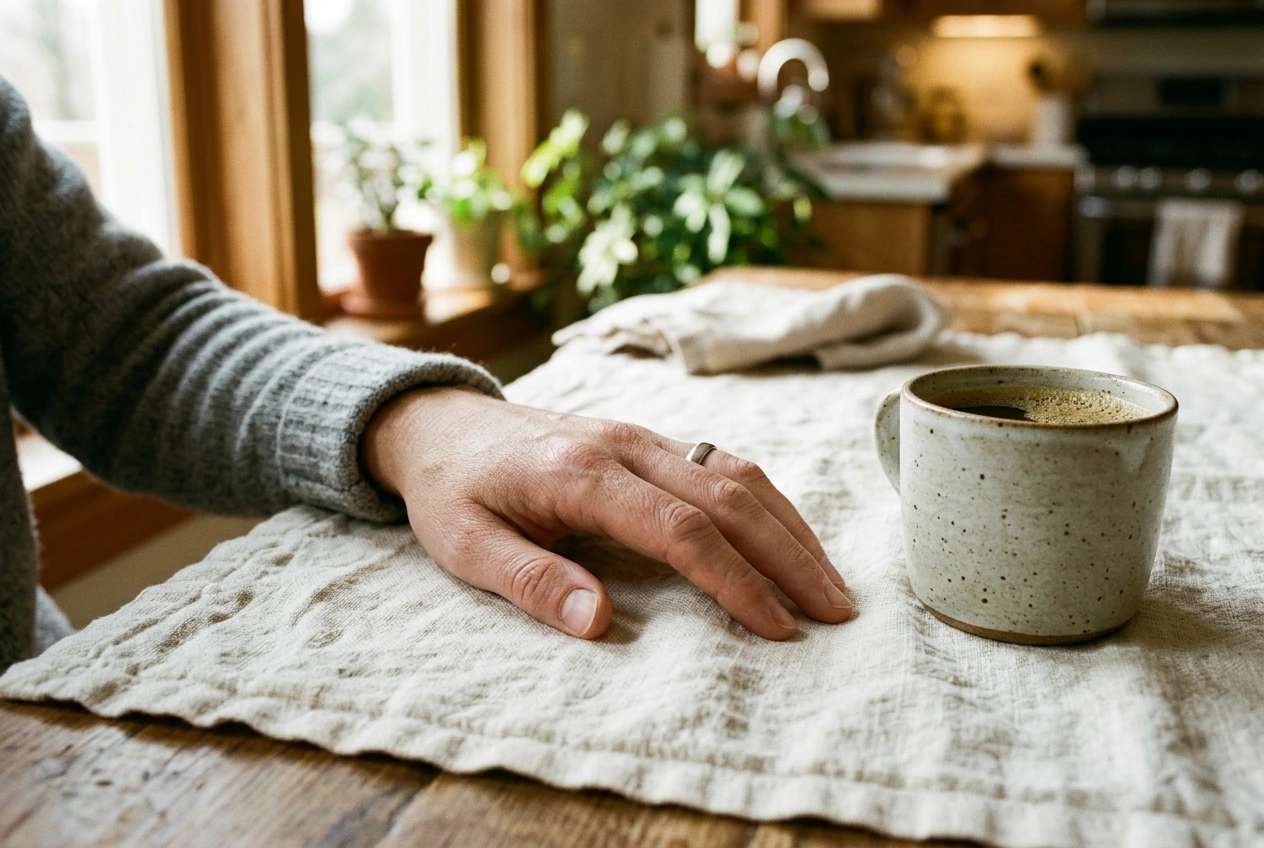
Caring for and Maintaining Your Ring Finish Over Time
Proper routine care preserves the luster, texture, and structural integrity of your wedding band across decades of wear. Follow these simple principles:
- Weekly Cleansing: Soak your ring for ten minutes in warm water mixed with mild dish soap. For textured bands, gently clean crevices with an extra-soft toothbrush, rinse thoroughly, and dry with a lint-free cloth.
- Chemical Protection: Remove your band before swimming in chlorinated pools or cleaning with bleach. Harsh chemicals pit precious gold alloys and discolor fine sterling silver.
- Safe Storage: When working out or doing manual labor, store your ring in an individual soft pouch so harder gemstones cannot scratch softer precious metals.
- Annual Servicing: Visit your jeweler annually for ultrasonic cleaning, prong checks, and finish refreshing—re-buffing high polish, re-brushing wire strokes, or re-matting satin textures.
Frequently Asked Questions About Wedding Ring Finishes
Can a wedding ring finish be changed in the future?
Yes. Precious metals like gold, platinum, and silver allow finishes to be reversed. A jeweler can easily convert a polished ring into a brushed or satin texture, or polish a hammered band back to a mirror shine whenever you desire a fresh aesthetic.
Which wedding ring finish hides scratches the most effectively?
The hammered finish hides scratches best. Because the surface features hand-forged facets and light-diffusing dimples, everyday knocks blend seamlessly into the texture. Brushed and stone finishes are also excellent at concealing minor hairline scuffs.
Will a matte or satin finish turn shiny over time?
Yes, through a natural process called burnishing. Micro-friction from steering wheels and daily tools gently smooths the metal's microscopic peaks. You can easily restore the matte texture during annual jeweler visits or with an approved at-home pad.
Does the finish affect ring resizing?
Polished and satin bands resize easily. However, continuous engraved patterns, all-around milgrain borders, and stone textures require extra bench skill, as the jeweler must re-engrave the pattern across the altered solder seam.
Can I pair a matte wedding band with a polished engagement ring?
Yes. Mixing finishes is a major bridal trend. Pairing a brushed or satin band alongside a polished solitaire creates sophisticated textural contrast that highlights your center diamond's brilliance.
Conclusion: Finding Your Lifetime Ring Finish
Your wedding band is the piece of jewelry you wear daily for a lifetime. While metal type and millimeter width establish the ring's architecture, your wedding ring finish provides its soul. From the mirror radiance of high polish to the understated serenity of satin, the rugged charisma of hammered gold, or the antique romance of Florentine engraving, the right surface treatment transforms precious metal into a personal reflection of your story.
Consider how your ring lives alongside your routine, and embrace the gentle patina that builds across decades. Explore our handcrafted collection of solid 925 sterling silver rings and custom bridal bands at SilverPetals to find your ideal lifetime finish today.
Helpful Sizing & Style Resources
Ready to explore your options and find your exact measurements?
- Compare finishes in our Matte vs Polished Wedding Rings Guide.
- Compare millimeter dimensions with our Wedding Band Width Guide.
- Keep rings sparkling with our Wedding Ring Care Guide.
- Discover ergonomic domed shanks in our Comfort Fit Wedding Bands Guide.
- Learn how to measure your finger accurately at home with our How to Find Your Ring Size Guide.
- Explore handcrafted styles in our Solid 925 Sterling Silver Rings Collection.